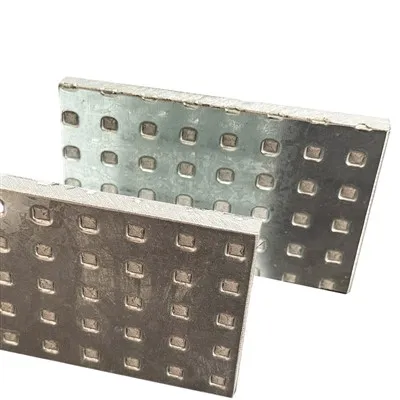
In high-risk scenarios such as industrial production, public buildings, and hazardous materials storage, safety protection is always of paramount importance. Impact-resistant and explosion-proof plates, as a special protective material designed specifically for extreme environments, are gradually replacing traditional protective materials and becoming the core barrier protecting personnel and property, thanks to their unique material processing and superior comprehensive performance. Compared to ordinary plates, impact-resistant and explosion-proof plates excel in key performance aspects such as explosion-proof, impact resistance, and fire resistance, while also offering convenience and economy. Their advantages are widely reflected in multiple aspects, making them suitable for the stringent requirements of various high-risk scenarios.
The core advantage of impact-resistant and explosion-proof panels lies in their superior explosion-proof and impact-resistant performance, which is also their key characteristic distinguishing them from ordinary panels. These panels utilize a composite structural design, using high-grade, fast-hardening cement as the base material, with added reinforcing materials, and are manufactured through high-pressure pressing and high-temperature curing. Their explosion-proof rating meets the requirements of GB 50089-2018 standards, effectively resisting an explosive shock wave of 0.8MPa. Upon encountering an explosion, they will not shatter and fragment, only undergoing slight deformation, maximizing the prevention of shock wave and fragment spread and avoiding secondary injury. In terms of impact resistance, their strength can reach 15kJ/m², more than three times that of ordinary fireproof panels. Even when subjected to heavy object impacts or external force, they will not suffer penetrating damage.
Excellent fire resistance and high-temperature resistance provide double safety protection for high-risk scenarios. Most impact-resistant and explosion-proof panels meet the A1 non-combustible standard, with a fire resistance time exceeding 180 minutes. After being burned at 800℃ for one hour, they still maintain structural integrity, producing no toxic fumes or drippings. This effectively prevents the spread of fire and provides ample time for personnel escape and equipment relocation. Compared to traditional fireproof panels, they exhibit stronger high-temperature stability and will not powder or deform even after prolonged exposure to high temperatures. They are particularly suitable for locations with extremely high fire protection requirements, such as gas stations, chemical industrial parks, boiler rooms, and ammunition depots. Fully compliant with fire safety standards, they provide integrated "explosion-proof + fireproof" protection, reducing the combined safety risks of fire and explosion from the source.
Moisture-proof, corrosion-resistant, and durable, this material significantly reduces maintenance costs. Processed with a special coating, it boasts a water absorption rate of ≤10%, preventing mold, blistering, and rust even in humid coastal areas and underground warehouses. Furthermore, its excellent resistance to acid and alkali corrosion protects it from common acid and alkali gases found in chemical industrial parks, resulting in exceptional material stability and extended service life. Unlike traditional protective panels that require regular maintenance and replacement, this impact-resistant and explosion-proof panel offers long-term benefits from a single installation, eliminating the need for frequent maintenance and significantly reducing overall protection costs.
Lightweight and easy to install, adaptable to various installation needs. Compared to traditional heavy concrete protective walls or pure metal protective panels, impact-resistant and explosion-proof panels achieve a lightweight design while maintaining high strength, weighing only 1/3 of a concrete wall with equivalent protective effect. This significantly reduces the load on the main building structure and avoids adverse eccentric effects on the frame beams. Available in various specifications, they can be cut and spliced according to actual needs. The construction process does not require complex large equipment; it can be completed through splicing installation, which is simple to operate, highly efficient, and effectively shortens the construction cycle. Whether for overall protection of new projects or safety renovation of existing buildings, they can be flexibly adapted, significantly reducing construction difficulty and construction costs.
With strong adaptability to all scenarios, it balances safety and practicality. The application range of impact-resistant and explosion-proof panels is extremely wide, playing a core role in any scenario requiring explosion-proof, impact-resistant, and fire-resistant properties. In the energy and chemical industry, it can be used for tank area partitions in gas stations and CNG stations, and for protection of production workshops in chemical industrial parks; in the field of hazardous materials storage, it is suitable for hazardous materials warehouse partitioning and fireworks warehouse protection; in special industrial fields, it can be used as explosion-proof partitions in military workshops and ammunition depots; in the public safety field, it can be used for explosion-proof protection areas in subways and high-speed rail stations, and for security partitions in bank vaults.
Furthermore, impact-resistant and explosion-proof panels are environmentally friendly and non-toxic. No harmful ingredients are added during the production process, and the panels themselves are odorless and pollution-free, meeting the environmental protection requirements of modern green building and industrial production. They will not harm human health or the environment. At the same time, they have a high recyclability rate and can be reused after being scrapped, embodying the concept of green and low-carbon development.
In conclusion, impact-resistant and explosion-proof panels, with their multiple advantages including explosion-proof and impact resistance, fire resistance and high-temperature resistance, moisture and corrosion resistance, convenient construction, adaptability to all scenarios, economic durability, and environmental friendliness and non-toxicity, have become the preferred material for safety protection in high-risk scenarios. With the upgrading of industrial production and the increasing demands for safety, impact-resistant and explosion-proof panels will continue to optimize their materials and processes, further expanding their application scenarios and providing more reliable and efficient solutions for safety protection in various locations, thus building a solid defense for the safety of personnel and property.