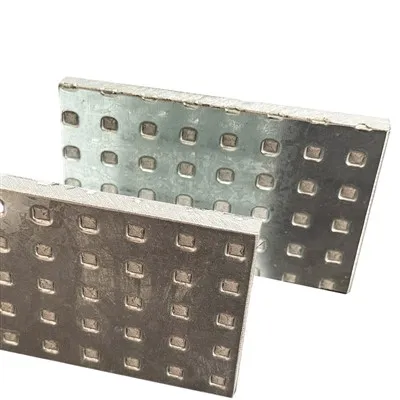
Composite steel panels for engineering construction are layered sheets formed by metallurgical processes such as explosive bonding and hot rolling, which firmly bond a carbon steel/low alloy steel base layer with a cladding layer of stainless steel, aluminum, titanium, etc. The core principle is "the base layer ensures strength, and the cladding layer ensures function." The base layer (80%-95%) provides structural strength and weldability, while the cladding layer (0.5-5mm) provides corrosion resistance, decoration, and thermal insulation. Common combinations include stainless steel-carbon steel, aluminum-stainless steel, and carbon steel-rock wool.
Compared to traditional materials, composite steel panels offer significant advantages: corrosion resistance comparable to pure stainless steel, at only 50%-60% of the cost; lighter than pure stainless steel, reducing building load; interface bonding strength ≥210MPa, less prone to delamination, allowing for 50 years of maintenance-free building exterior walls. Simultaneously, they integrate multiple functions such as thermal insulation, fireproofing, and sound insulation, reducing construction steps by 30%, aligning with the energy-saving and carbon-reducing requirements of green buildings.
With the advancement of "dual-carbon" goals and the acceleration of building industrialization, the composite steel plate industry is entering a period of policy dividends. Many regions have included it in their manufacturing technology upgrading support programs, using financial subsidies and tax breaks to help the industry upgrade. Simultaneously, technologies such as AI intelligent control and big data analysis are being integrated into production, enabling intelligent production lines to achieve full-process control and significantly improving product precision and stability.
Industry experts say that composite steel plates, as the king of cost-effectiveness, perfectly balance strength, durability, energy saving, and cost, making them a key material for green buildings and industrialized construction. In the future, with technological iteration and the expansion of application scenarios, composite steel plates will replace traditional materials in more fields, driving the construction industry towards a low-carbon, efficient, and long-term sustainable development.