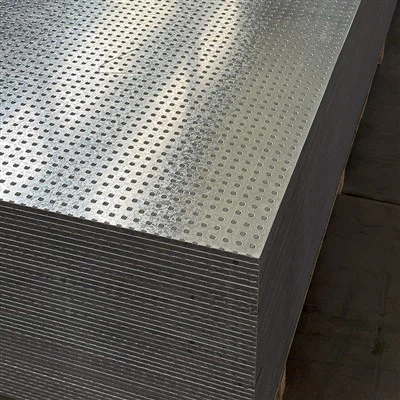
Hey there! As a supplier of Explosion - proof Fiber Cement Boards, I've been getting a lot of questions lately about the application requirements of these boards in chemical plants. So, I thought I'd put together this blog post to share some insights.
First off, let's talk about why explosion - proof fiber cement boards are so important in chemical plants. Chemical plants are full of hazardous substances and processes that can potentially lead to explosions. These boards act as a barrier, protecting the plant's infrastructure, equipment, and most importantly, the workers. They're designed to withstand high - pressure blasts and prevent the spread of fire and debris.
Fire Resistance
One of the key application requirements in chemical plants is fire resistance. Chemicals can ignite easily, and once a fire starts, it can spread rapidly. Our explosion - proof fiber cement boards have excellent fire - resistant properties. They can withstand high temperatures for an extended period without losing their structural integrity. This is crucial in a chemical plant environment, where a fire can cause significant damage and endanger lives.
When it comes to fire resistance, we need to meet certain standards. For example, in many regions, the boards should have a fire rating of at least Class A. This means they can resist fire for a specified time, usually around 60 minutes or more. Our Fiber Cement Explosion - proof Boards meet and often exceed these standards, providing reliable protection in case of a fire.
Blast Resistance
Another critical requirement is blast resistance. Chemical explosions can generate extremely high pressures. Our boards are engineered to absorb and disperse the energy from a blast. They're made with a combination of fiber and cement, which gives them the strength and flexibility needed to withstand the shockwaves.
The blast resistance of the boards is measured in terms of the amount of pressure they can withstand. In a chemical plant, we need boards that can handle high - intensity blasts. Our products are tested to ensure they can resist pressures that are typical in chemical explosions. This means that in the event of an explosion, the boards will act as a shield, protecting the surrounding areas from the impact.
Chemical Resistance
Chemical plants deal with a wide range of chemicals, many of which are corrosive. Our explosion - proof fiber cement boards need to be chemically resistant. They should not react with the chemicals present in the plant, as this could compromise their integrity.
We use special additives in our boards to enhance their chemical resistance. These additives make the boards resistant to acids, alkalis, and other corrosive substances. This ensures that the boards can maintain their performance over time, even in a harsh chemical environment.
Installation Requirements
Proper installation is also crucial for the effective use of explosion - proof fiber cement boards in chemical plants. The boards need to be installed correctly to ensure they provide the maximum protection.
First of all, the surface where the boards are installed should be clean, flat, and dry. Any unevenness or moisture can affect the adhesion of the boards. We recommend using a high - quality adhesive to attach the boards to the surface.
The boards should also be installed with the right spacing. This allows for expansion and contraction due to temperature changes. In a chemical plant, the temperature can vary significantly, so proper spacing is essential to prevent the boards from cracking or warping.
Maintenance Requirements
Maintenance is an ongoing process to ensure the long - term performance of the explosion - proof fiber cement boards. Regular inspections should be carried out to check for any signs of damage or wear.
If any damage is found, the damaged parts should be repaired or replaced immediately. This helps to maintain the integrity of the boards and ensures they continue to provide the necessary protection.
Other Considerations
In addition to the above requirements, there are some other factors to consider when using explosion - proof fiber cement boards in chemical plants.


For example, the boards should be lightweight enough to be easily installed and handled. Our Lightweight Fiber Cement Steel Composite Board is a great option in this regard. It combines the strength of steel with the lightness of fiber cement, making it easy to work with.
Also, the boards should be aesthetically pleasing. While the primary function is protection, a chemical plant also needs to have a professional and clean appearance. Our boards come in a variety of finishes, so you can choose the one that best suits your plant's needs.
Cost - effectiveness
Cost is always a consideration in any project. Our explosion - proof fiber cement boards offer a cost - effective solution for chemical plants. They have a long lifespan, which means you don't have to replace them frequently. And their excellent performance in terms of fire, blast, and chemical resistance can save you a lot of money in the long run by preventing damage and downtime.
Conclusion
So, there you have it! The application requirements of explosion - proof fiber cement boards in chemical plants are quite strict, but our products are designed to meet all these requirements. Whether it's fire resistance, blast resistance, chemical resistance, or proper installation and maintenance, we've got you covered.
If you're in the market for explosion - proof fiber cement boards for your chemical plant, I'd love to have a chat with you. We can discuss your specific needs and see how our products can fit into your project. Don't hesitate to reach out for a consultation and let's start the conversation about how we can provide the best protection for your chemical plant.
References
- ASTM International. (2023). Standards for fire - resistant building materials.
- National Fire Protection Association. (2023). Codes and standards for chemical plant safety.
- Industry reports on blast - resistant materials in chemical plants.