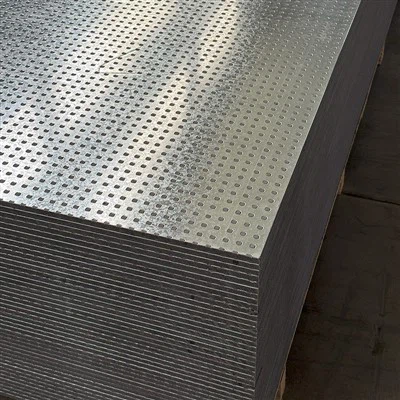
Transporting blast resistant panels is a topic that often concerns both suppliers and customers. As a supplier of blast resistant panels, I've encountered various challenges and insights in the transportation process. In this blog, I'll delve into the difficulties associated with transporting these specialized panels and offer some perspectives on how to overcome them.
The Nature of Blast Resistant Panels
Blast resistant panels are designed to withstand high - energy explosions and protect structures and people within. These panels are typically made from high - strength materials such as steel, fiber cement, or a combination of both. For instance, our Fiber Cement Composite Steel Plate for Pipes and Durable Fiber Cement Composite Steel Plate are engineered to offer superior blast resistance.
The construction of these panels makes them heavy and bulky. Their weight can range from several hundred pounds to over a ton, depending on the size and thickness. The large size and heavy weight are the primary factors that contribute to the difficulty of transportation.
Physical Challenges in Transportation
Weight and Size Constraints
One of the most obvious difficulties is the weight of the panels. Standard trucks have weight limits, and transporting heavy blast resistant panels may require special permits or the use of heavy - duty trucks. For example, if a panel weighs more than the legal weight limit for a standard truck, it can't be transported without proper authorization. This not only adds to the administrative work but also increases the cost of transportation.
The size of the panels also poses a challenge. Large panels may not fit through standard doorways, narrow streets, or under low - clearance bridges. This can limit the available transportation routes and require careful planning. In some cases, the panels may need to be disassembled or cut into smaller pieces for transportation, which can affect their integrity and blast - resistant properties.
Handling and Loading
Loading and unloading blast resistant panels require specialized equipment and trained personnel. The panels are often too heavy to be lifted manually, so cranes or forklifts are necessary. However, these machines need to be carefully operated to avoid damaging the panels. Any damage during handling can compromise the panel's ability to resist blasts.


Moreover, the panels need to be properly secured during transportation. Improper securing can lead to the panels shifting or falling during transit, which is not only dangerous but can also cause significant damage to the panels. Straps, braces, and other securing mechanisms must be used to ensure the panels remain stable throughout the journey.
Environmental and Regulatory Challenges
Weather Conditions
Weather can have a significant impact on the transportation of blast resistant panels. Extreme heat, cold, rain, or snow can affect the panels' materials. For example, in cold weather, the steel in the panels may become brittle, increasing the risk of cracking during transportation. Rain and snow can cause corrosion, especially if the panels are not properly protected.
In addition, adverse weather conditions can also affect the transportation routes. Heavy snow or flooding can make roads impassable, leading to delays in delivery. This requires suppliers to have contingency plans in place to deal with such situations.
Regulatory Requirements
Transporting blast resistant panels is subject to various regulatory requirements. These regulations are in place to ensure the safety of the public and the environment. For example, there are regulations regarding the transportation of hazardous materials, even though blast resistant panels are not typically considered hazardous, the materials used in their construction may be subject to certain rules.
There are also regulations regarding the transportation of oversized and overweight loads. Suppliers need to obtain the necessary permits and comply with the specific requirements of each jurisdiction. Failure to comply with these regulations can result in fines and delays in delivery.
Solutions to Overcome Transportation Difficulties
Pre - transportation Planning
Thorough pre - transportation planning is essential. This includes assessing the weight and size of the panels, determining the most suitable transportation method, and identifying the best routes. By using advanced mapping and logistics software, suppliers can optimize the transportation route to avoid obstacles such as low - clearance bridges and narrow streets.
It's also important to check the weather forecast and plan the transportation accordingly. If adverse weather is expected, the transportation can be rescheduled to ensure the safety of the panels.
Specialized Packaging and Securing
Proper packaging is crucial to protect the panels during transportation. The panels can be wrapped in protective materials such as plastic or foam to prevent scratches and damage. Additionally, custom - made crates or containers can be used to provide extra protection.
When it comes to securing the panels, high - quality straps and braces should be used. The panels should be secured in such a way that they are evenly distributed and stable. Regular inspections during transportation can also help to ensure that the securing mechanisms remain intact.
Training and Certification
Suppliers should ensure that their personnel are properly trained in handling and transporting blast resistant panels. Training programs should cover topics such as equipment operation, safety procedures, and regulatory compliance. Personnel should also be certified to operate the necessary equipment, such as cranes and forklifts.
Conclusion
Transporting blast resistant panels is indeed a challenging task. The physical nature of the panels, along with environmental and regulatory factors, can make the transportation process complex and difficult. However, with proper planning, specialized packaging, and well - trained personnel, these difficulties can be overcome.
If you're in the market for high - quality blast resistant panels, such as our Fiber Cement Explosion - proof Boards, and have questions about transportation or any other aspect of our products, we're here to assist you. Feel free to reach out to us for more information and to start a procurement discussion. We're committed to providing you with the best solutions for your blast - resistant needs.
References
- "Engineering Principles of Blast Resistant Design" by John R. Degenkolb
- "Transportation Regulations and Safety Standards" published by the Department of Transportation